
Gasoline / Propane Gas Maxi Railcar Mover
Cost-effective, versatile solution for moving railcars and transit vehicles with superior maneuverability and multi-directional capabilities
Key Specifications
- 220 ton capacity on straight & level track
- Push or pull operation
- Single-operator control
- Multiple engine options: gasoline, LPG, or diesel
—Technical Specifications
Overview
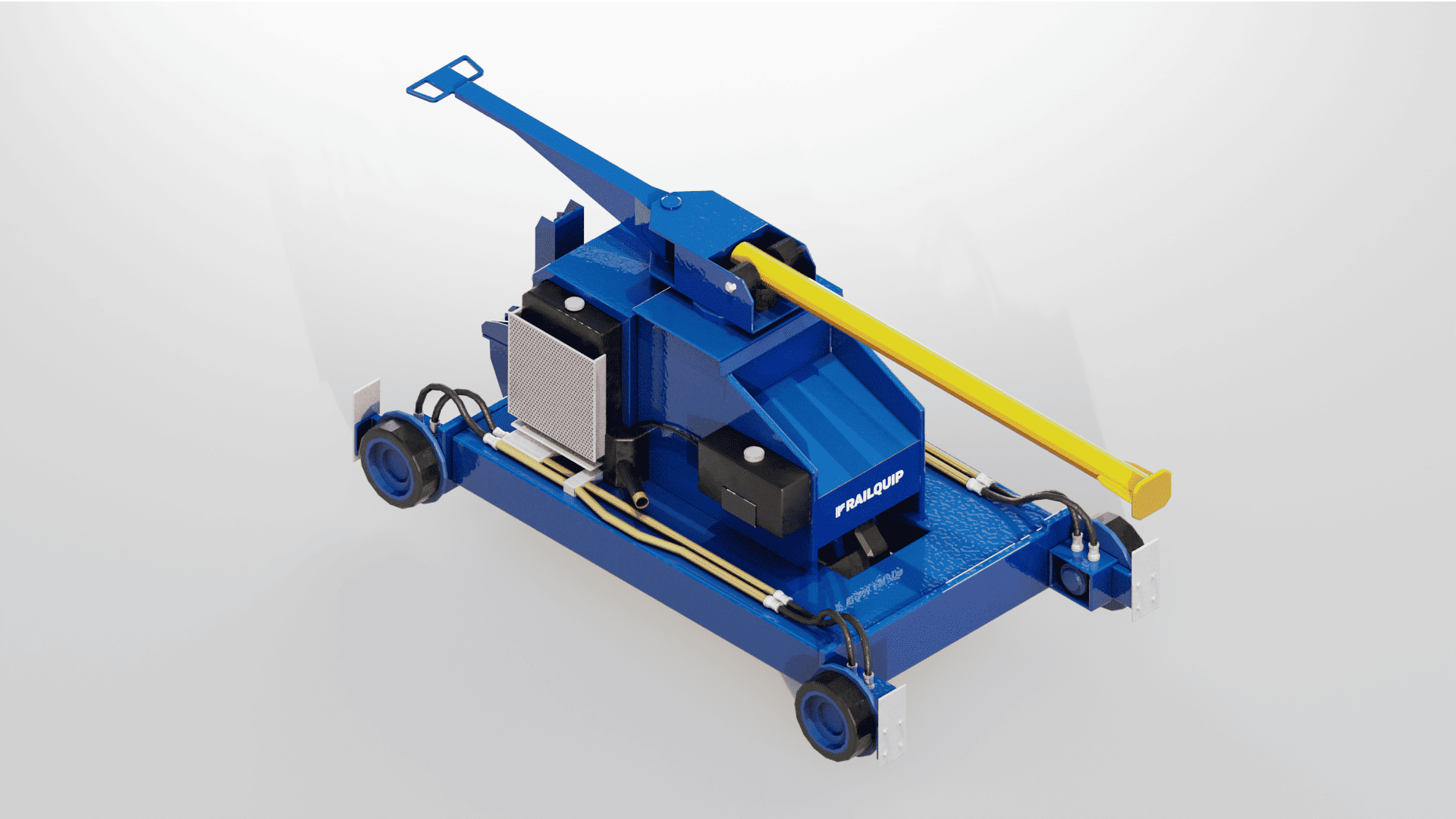
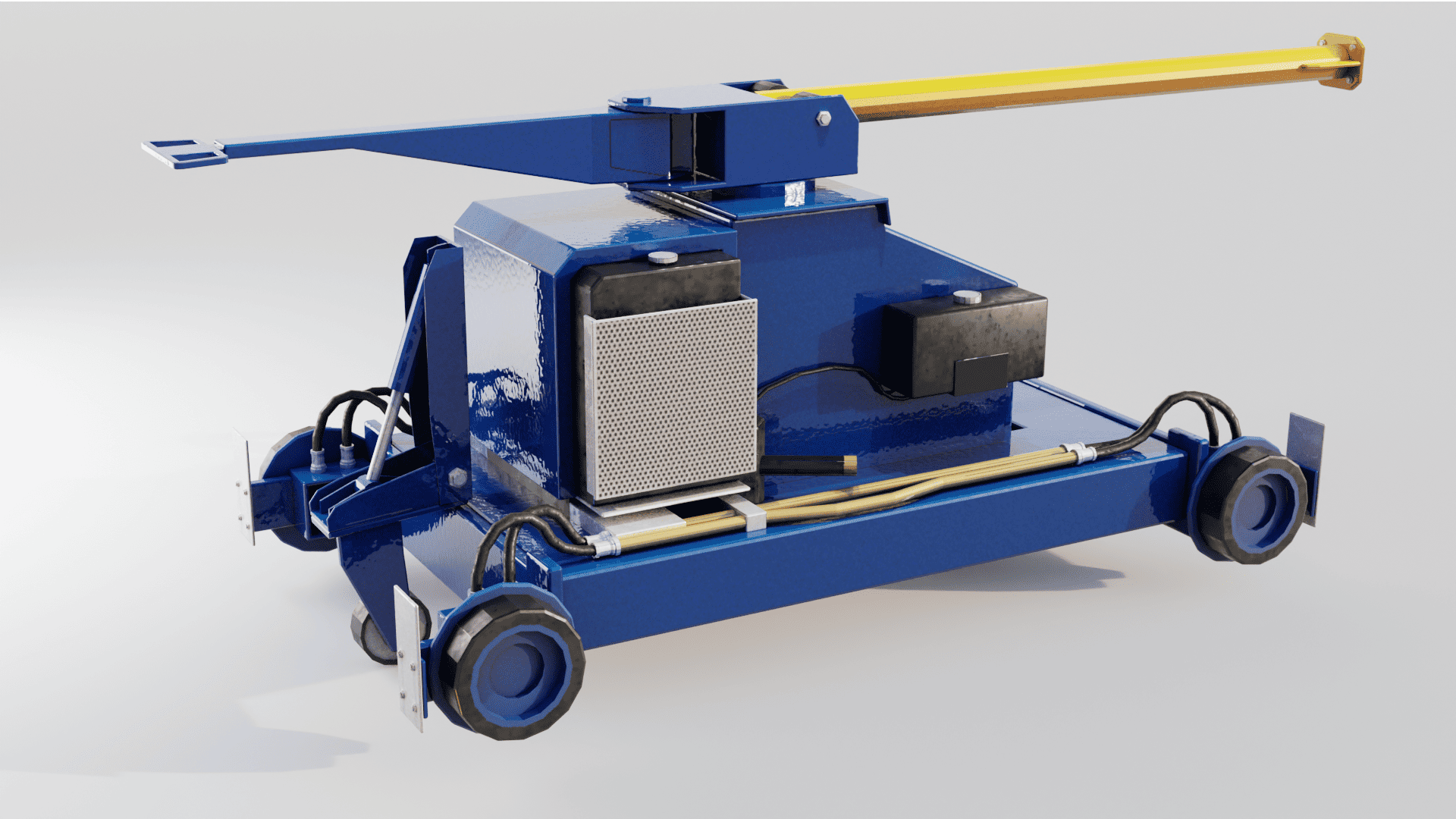
The Maxi Gasoline Propane Railcar Mover offers revolutionary maneuverability, cost-effective operation, and multi-directional capabilities previously unknown in the railroad/rail transit maintenance shop. The expense of purchasing and maintaining large vehicle shunting equipment is virtually eliminated.
The Gasoline/Propane Gas Maxi Railcar Mover combines versatility with economic operation, providing an efficient solution for moving railcars, transit vehicles, or locomotives.
With its rubber-tired wheels, this powerhouse enables smooth on/off-track operations and seamless transfers between tracks or parking areas while handling loads up to 220 metric tons on level surfaces.
Features
Technical Specifications
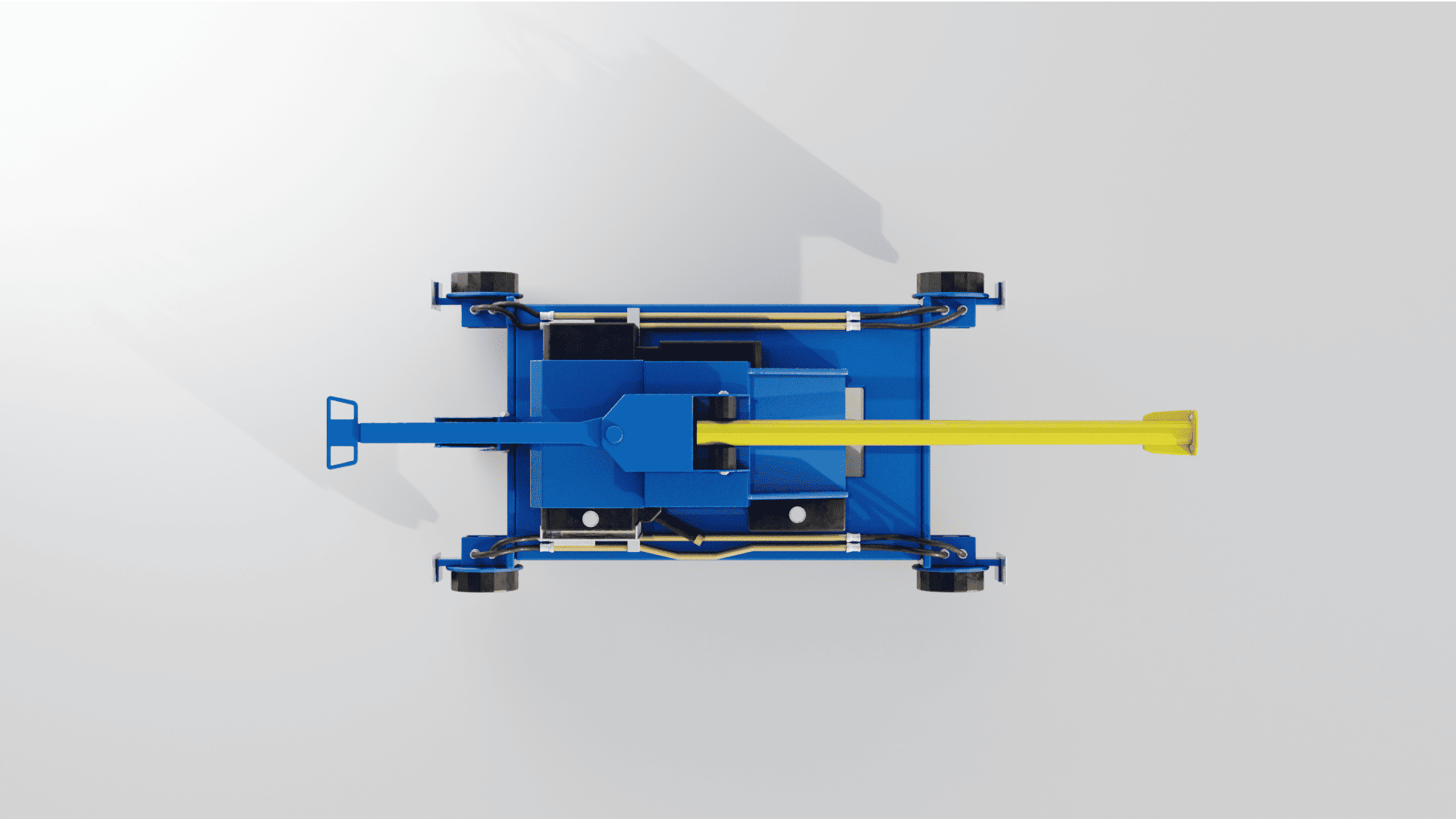
- Dimensions: L 80″ x W 69″
- Weight: 4,400 lbs
- Capacity: 220 metric tons on straight & level track
- Maximum Speed: 0–3.1 MPH (forward or reverse)
- Rail Wheels: 4 hydraulically powered steel wheels with rubber tires (11.8″)
- Road Drive Wheels: Pneumatic (19.7″)
- Engine Options:
- V-twin, 4-stroke Honda gasoline engine (20 HP)
- V-twin, 4-stroke Honda LPG engine (20 HP)
- Lombardi diesel engine (24.5 HP)
- Power Transmission: Hydraulic
- Operation: Single-person control, walk-behind or side position
Operational Versatility
- Revolutionary multi-directional capabilities
- Push or pull operation for flexible use
- Rubber-tired wheels for easy on/off-track movement
- Seamless transfer between tracks or parking areas
- Single-person operation (walking behind or from side)
Power & Performance
- Multiple engine options to suit operational needs
- Hydraulic power transmission for smooth control
- Operation in both directions with equal efficiency
- Speed control up to 3.1 MPH in forward or reverse
- Handles up to 220 metric tons on level surfaces
Design Advantages
- Compact dimensions for maneuverability in tight spaces
- Rugged construction for maintenance facility durability
- Pneumatic center drive wheels for precise positioning
- Mechanical coupler or tow bar for vehicle attachment
- Cost-effective alternative to large shunting equipment
Safety & Control
- Emergency stop button for immediate halting
- Unidirectional restrictor valves for safety
- Optional radio remote control operation
- Manual height-adjustable coupler receiver (optional)
- Direct line-of-sight operation
—Related Projects

CERREJÓN COAL MINE IN COLOMBIA Case Study
To modernize Cerrejón’s lifting capabilities, Railquip and Eymaq provided a tailored solution: three sets of four 60-ton lifting jacks designed to replace outdated equipment

Washington Metropolitan Area Transit Authority – Case study
WMATA needed to replace its stationary drop table at the Shady Grove S&I shop due to excessive maintenance costs and aging parts. Railquip provided

Bay Area Rapid Transit Authority (BART) Case Study
BART required a solution to efficiently change the direction of railcars in their existing railyard. Railquip’s Automated Railcar Turntable provided a seamless, automated system

AMTRAK: Penn Station Rehabilitation Project Case Study
AMTRAK needed a custom-built Railbound Tunnel Crane for the New York Penn Station Rehabilitation Project. The crane had to operate within strict clearance limits

O-Train Case Study
In 2015, the O-Train in Ottawa, Canada, sought a complete train maintenance facility for their new fleet. Railquip provided a fully customized underground lifting

BNSF Burlington Northern Santa Fe Case Study
BNSF required a safer, more efficient way to pull locomotives over their wheel truing machine, addressing safety concerns and reducing pollution in the workshop.

Long Island Railroad Case Study
LIRR needed a safe and efficient solution for rerailing derailed trains due to frequent derailments that required costly external contractors. Railquip provided a standard

Clark Construction – Case study
In pursuit of operational excellence, our client sought to standardize maintenance practices across all locations with an established maintenance system featuring multiple turntables. The

TLC CASINO ENTERPRISES, INC.
Our task was to design, manufacture, and install a rotating bar floor in an existing 2nd-floor restaurant, taking into consideration the limitations imposed by