Understanding the key pieces of equipment in rail transportation is crucial for any operation focused on efficiency and safety. From the dynamic locomotives that power the trains to the sophisticated systems that ensure their smooth and safe operation, this article delves into the advanced machinery that underpins efficient and secure rail operations.
Table of contents
Locomotives: the dynamic force of the rails
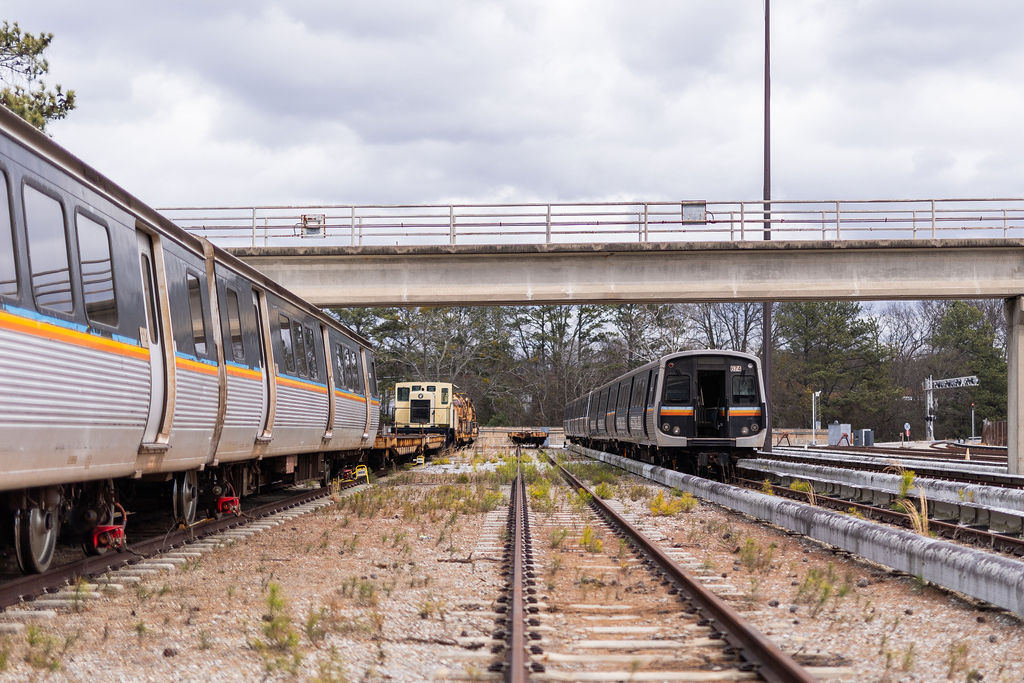
Locomotives are the driving force behind rail transportation, capable of pulling diverse loads over long distances. High-performance models feature hybrid propulsion, advanced emissions control, and energy-efficient systems, showcasing the latest advancements in rail technology. They come equipped with:
- Hybrid technologies: combining diesel and electric power to optimize fuel efficiency and reduce emissions, suitable for both long-haul freight and high-speed passenger services.
- Regenerative braking systems: capturing kinetic energy during braking and converting it into electricity, significantly improving energy efficiency.
- Automated systems: incorporating AI to optimize routes, speed, and energy usage, enhancing operational reliability and safety.
Modern railway equipment, such as locomotives with AC traction motors are particularly beneficial in mountainous regions, where enhanced torque and speed control capabilities help manage steep grades and challenging terrains efficiently.
Railway cranes for transforming railway construction
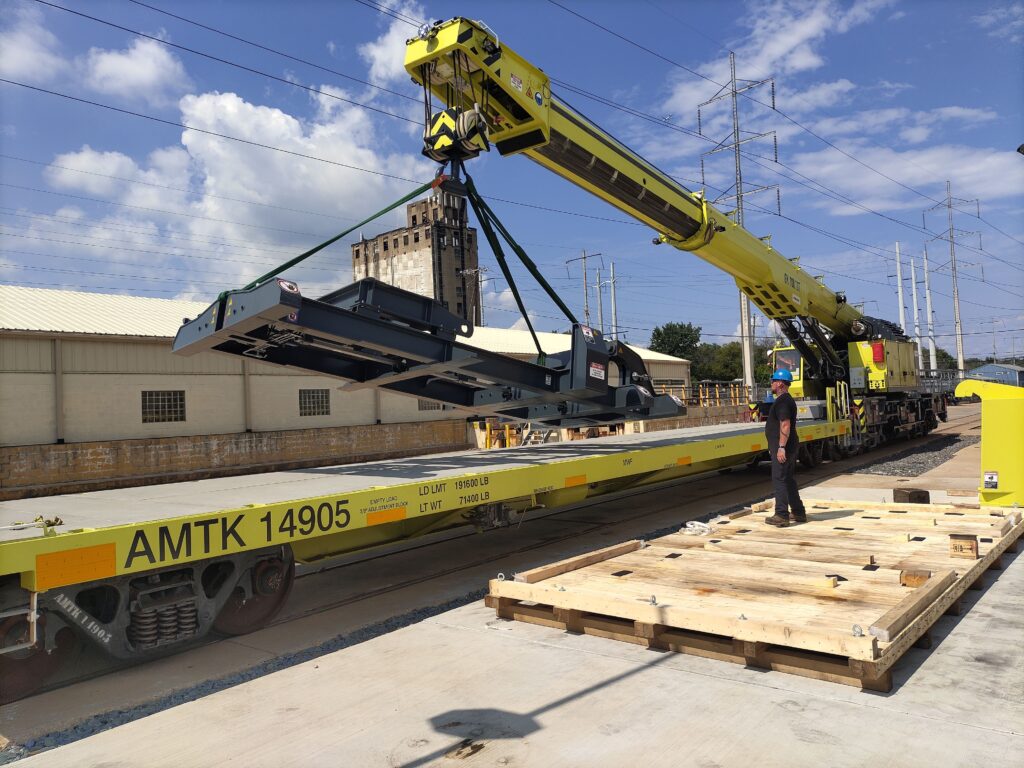
Railway cranes play a pivotal role in the construction and maintenance of railway infrastructure providing the robustness and versatility needed to erect underpasses, bridges, substations, and other vital structures. Their powerful design is pivotal in modernizing and expanding railway networks.
- These cranes, with a lifting capacity ranging from 25 up to 176 tons, accommodate a wide range of construction needs.
- A diesel-hydraulic power system ensures reliable performance under various operational conditions, providing the necessary force for heavy lifting tasks.
The use of these cranes significantly shortens building times, making them a cost-effective choice for projects like railway underpasses and bridges.
Features like a stable center of gravity even in super elevated curves, and customizable technical specifications, mean that each crane can be tailored to meet the unique demands of any project. This adaptability makes them indispensable in fast-evolving construction environments.
Click here to find the right crane model for your needs.
Specialized lifting equipment to streamline rail network maintenance
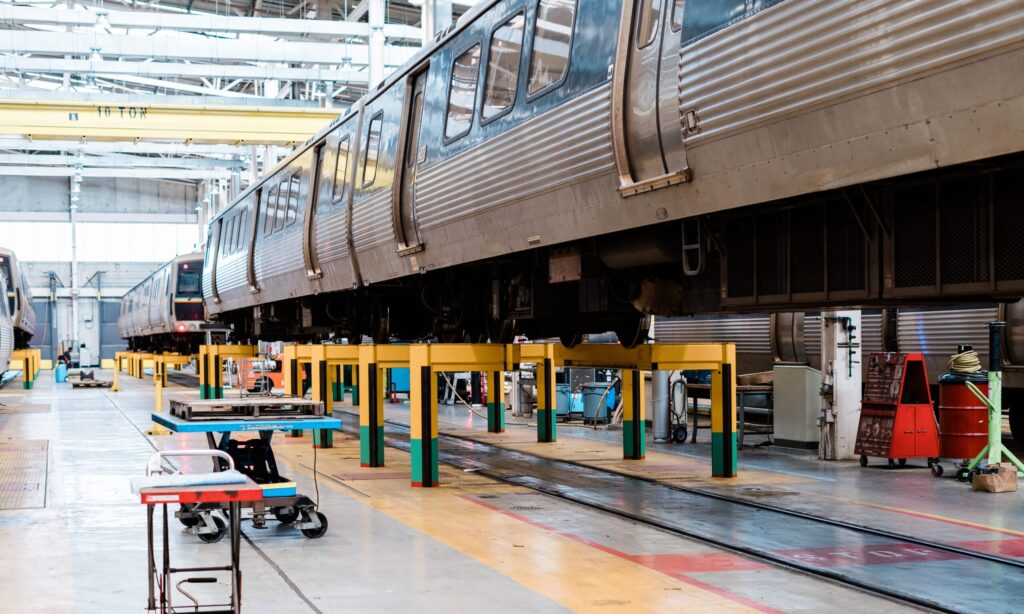
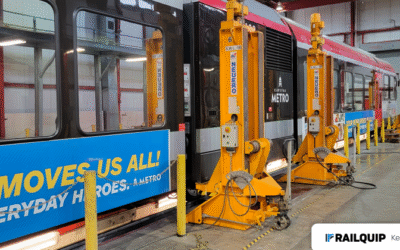
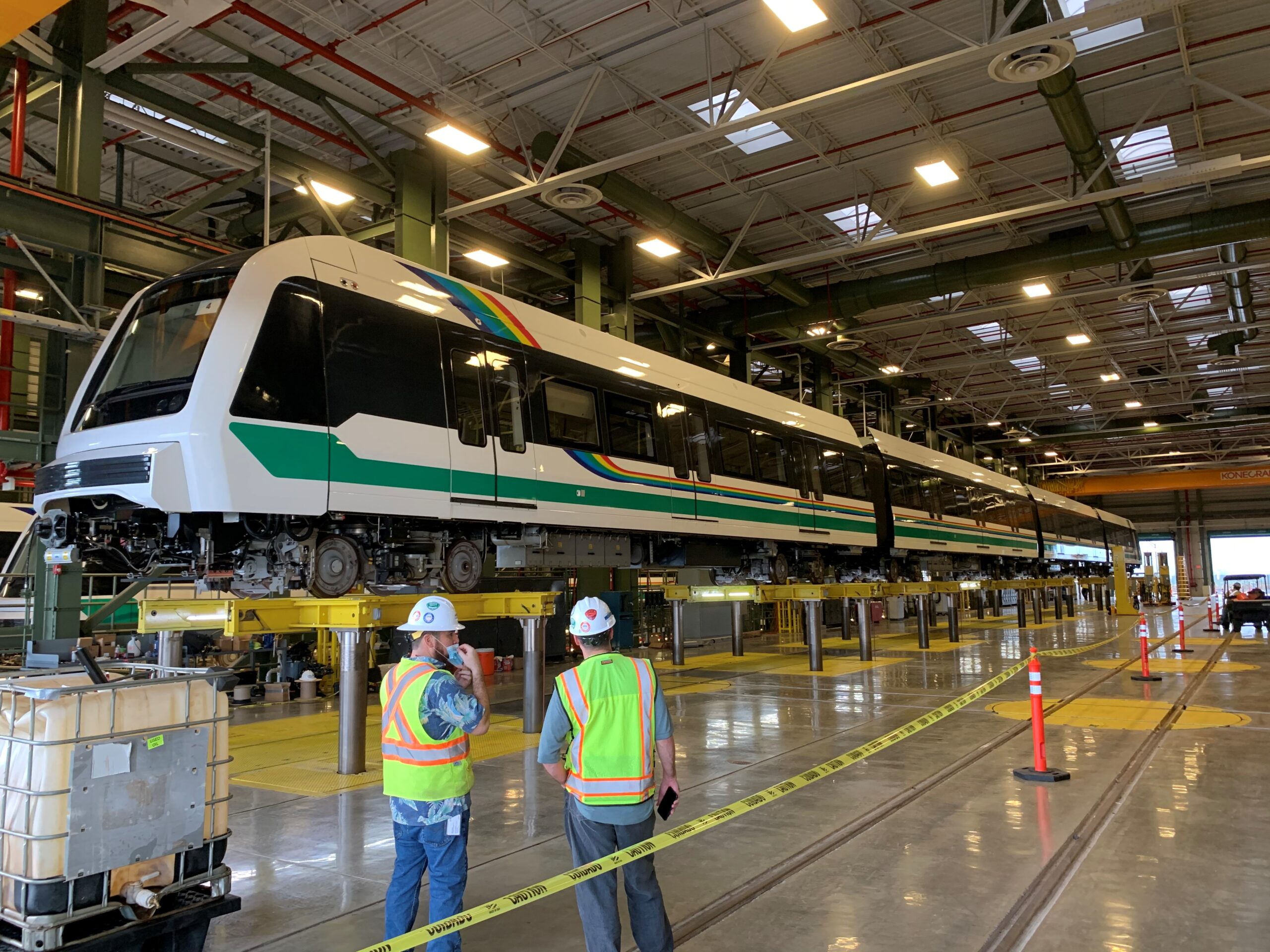
Lifting equipment is indispensable for ensuring safety, precision, and efficiency during repair and inspection tasks. Such equipment ranges from portable jacks to underfloor lifting systems, each designed to cater to specific needs within the industry:
- Portable electric jacks are highly mobile and adaptable, with lifting capacities ranging from 5 to 60 tons. They are essential for targeted maintenance tasks in confined spaces.
- Underfloor car truck hoist & body stands are designed for heavy-duty maintenance, these systems have a combined lifting capacity that can exceed 200 tons, suitable for comprehensive overhauls of large vehicle components.
- Single axle drop tables play an essential role for axle and wheel maintenance, they can handle loads up to 75 tons, facilitating efficient component replacement.
- The coupler lift system specializes in handling couplers with precision, offering a robust capacity of up to 50 tons for adjusting and replacing railcar couplers.
- The heavy duty mobile support stand, with a capacity to support up to 22,000 pounds, adjusts from 49 inches to 71 inches, providing versatile support for various maintenance tasks.
You might be interested in: Portable vs. Fixed Railroad Lifting Jacks: Weighing the Pros and Cons
By providing the necessary support for various maintenance activities, these tools help ensure that trains run reliably and safely. Effective use of this equipment is essential for the proactive maintenance that keeps rail networks in optimal condition.
Elevating rail operations with next generation railcar movers
Navigating the traditional challenges of railcar movers – high maintenance costs due to fuel dependency, sluggish start-up times leading to operational delays, and significant noise pollution – has long been a stumbling block in rail logistics.
Modern railcar movers are setting new standards for efficiency and safety in rail operations with cutting-edge technologies that boost efficiency and safety, drastically outperforming their fuel-powered predecessors. Here’s how they’re making a difference:
- Battery-powered efficiency: By eliminating emissions, these advanced movers significantly reduce environmental impact while also mitigating the unpredictable costs associated with fuel prices.
- Enhanced safety with remote control: Operators can now manage movements from a safe distance of up to 1,200 feet, thanks to sophisticated remote control systems equipped with emergency stop functions. This feature not only enhances safety but also improves precision in positioning.
- Superior maneuverability and stability: With a hydraulic track guiding system and the ability to turn 140 degrees on the spot within a 69-inch turning radius these machines offer unparalleled maneuverability. This allows for precise handling of railcars in tight spaces, maintaining stability and safety on the tracks.
- Robust traction capacity: The modern railcar movers are not just agile but also powerful, with a high traction capacity ranging from 770 to 1,100 tons on level tracks, making them ideal for moving heavy loads efficiently.
The technological advancements in modern railcar movers are redefining what’s possible in railway equipment. These machines combine efficiency, environmental stewardship, and enhanced safety features, making them an essential asset for any forward-thinking rail operation looking to improve productivity and sustainability.
We recommend reading: Why Choose a Railcar Mover? Exploring the Alternatives to Traditional Locomotives
Conclusion
The technological sophistication of today’s railway equipment is crucial to the safety, efficiency, and sustainability of rail operations. Each piece of equipment, from locomotives to specialty vehicles, incorporates cutting-edge technology designed to meet the high demands of contemporary rail transport. Understanding these components allows rail operators to enhance operational capabilities and meet the growing demands of modern transportation.
Looking to upgrade your railway operations with top-tier equipment? Explore our range of products tailored to meet the challenges of modern rail transportation. Contact us today for more information and expert guidance.
Frequently Asked Questions
What key factors should railway operators consider when selecting the right specialized equipment for their specific maintenance or operational needs?
Operators must consider several critical factors beyond initial cost: the scale of operations (e.g., a small railyard vs. main line), the types of rolling stock being serviced, specific terrain and climate challenges, available budget (balancing CAPEX vs. OPEX), robust safety features, ease of use and maintenance, and comprehensive after-sales support and spare parts availability.
Railquip offers expert guidance and a diverse range of high-quality Railway Maintenance Equipment.
What are the best practices for maintaining the essential railway equipment itself to ensure its longevity, peak performance, and minimize downtime for the equipment?
Ensuring the longevity of essential railway equipment involves strict adherence to preventative maintenance schedules recommended by manufacturers, using only genuine spare parts, and investing in continuous training for operators and technicians. Additionally, leveraging digital monitoring tools for the equipment’s own health (e.g., hours of operation, fault codes) helps anticipate service needs and maximizes its operational lifespan.
Railquip’s durable Railway Maintenance Equipment is built for longevity. We emphasize quality construction and provide expert support.
How do the advanced safety features of railcar movers, particularly remote control capabilities, enhance operational safety and precision in rail yards?
Remote control systems allow operators to manage movements from a safe distance (up to 1,200 feet). Equipped with emergency stop functions, this remote capability drastically reduces the risk of accidents by removing personnel from direct proximity to moving railcars, while also improving precision in positioning within tight yard spaces due to better visibility.
Elevate your rail operations with Railquip’s cutting-edge Railcar Movers.